
In today’s highly competitive exam environment, students often fall into the trap of using random or popular study materials without evaluating their relevance. Many assume that all books covering a subject are equally useful, but this is far from true. Just like a wrong map can lead you in the wrong direction, poor-quality or outdated books can misguide your preparation. Instead of building clarity, they create confusion and waste valuable time. This is why choosing the right, exam-oriented resources is essential—not just to study more, but to study smarter and stay aligned with the actual exam requirements.
There are often debates among students about which books or materials are the “best,” with many blindly following trends or recommendations without proper evaluation. However, preparation for competitive exams is not about following the crowd—it’s about choosing resources that truly add value. When students rely on low-quality or generic materials, they unknowingly reduce the importance of conceptual understanding, treating preparation as a routine rather than a strategic process. As the famous management thinker Peter Drucker said,
“There is nothing so useless as doing efficiently that which should not be done at all.”
Just like in design where placeholder text weakens the message, using the wrong books weakens your foundation. Instead, your study material should strengthen your understanding, sharpen your thinking, and directly contribute to your performance in the exam.
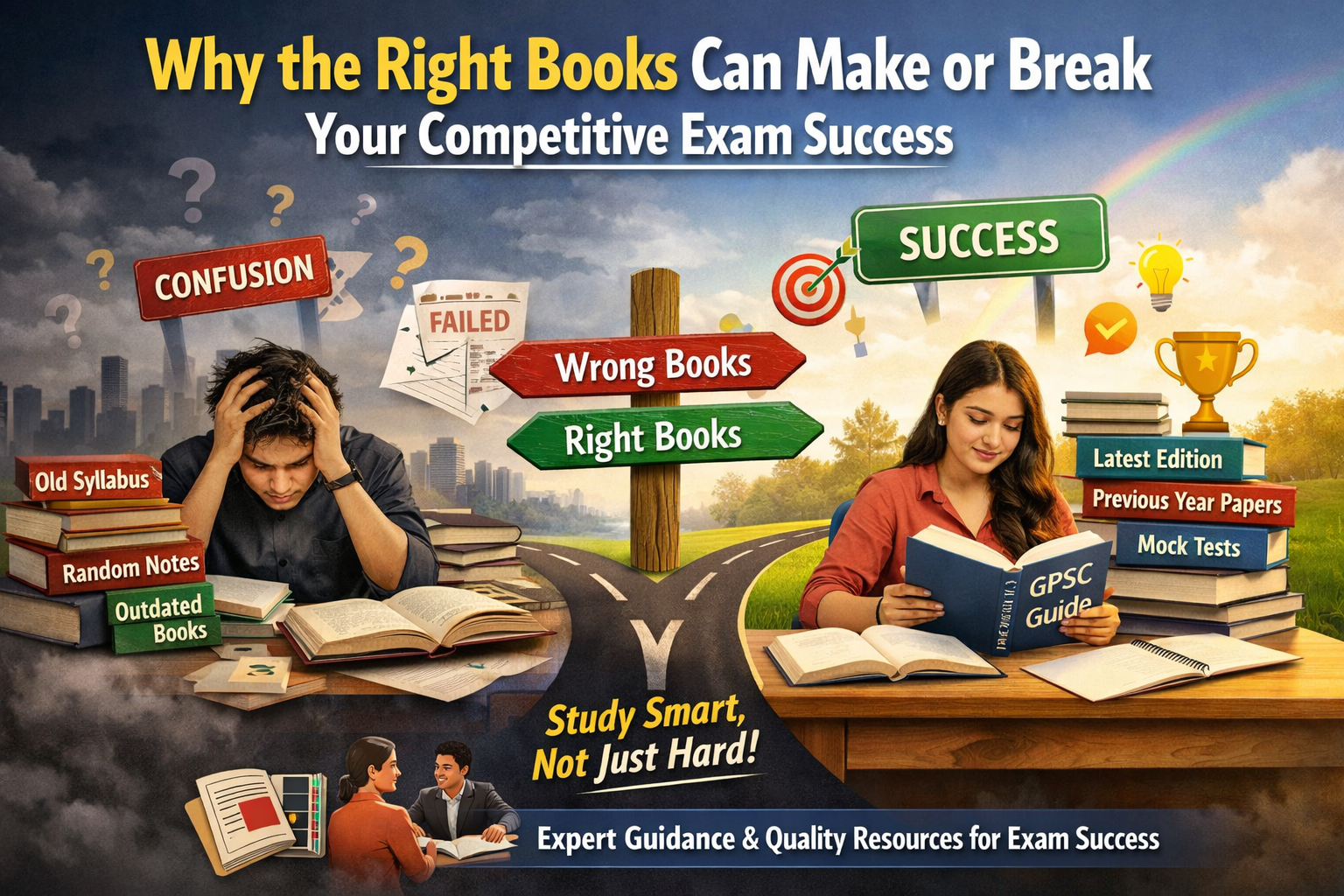
Many students rely on commonly suggested books or materials simply because they have been used for years or recommended by others. However, popularity does not always guarantee relevance in today’s competitive exam environment. Exam patterns, syllabi, and question trends evolve over time, and blindly following outdated resources can slow down progress. It is important to regularly update your study material and ensure it aligns with the latest exam requirements. Smart aspirants focus not on what has always been used, but on what is most effective right now for achieving results.
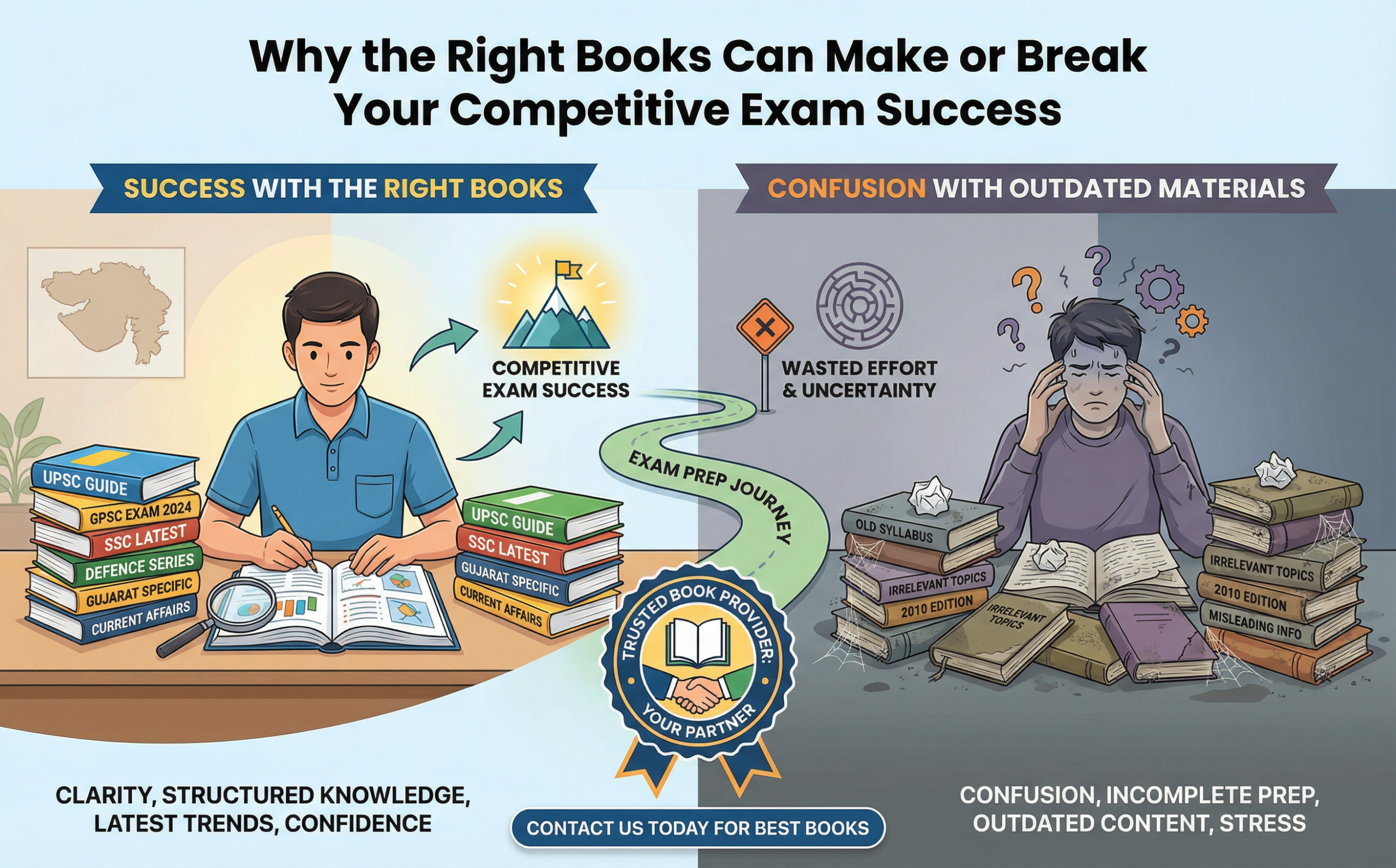
When students rely on poor or irrelevant study material, they unknowingly reduce the importance of real learning. Preparation then becomes more about covering pages than building understanding, and knowledge takes a secondary role. Instead of strengthening concepts, such resources only create an illusion of progress. Over time, this weak foundation starts affecting performance, especially in exams that test clarity and application.
There are also many misconceptions about which books are truly useful, with some resources gaining popularity without actually matching current exam needs. What may have worked in the past does not always remain effective today. Competitive exams evolve, and preparation strategies must evolve with them. Relying on outdated approaches can hold students back from reaching their full potential.
Ultimately, the goal of preparation should be to focus on meaningful learning. The right books guide students to think clearly, understand deeply, and apply knowledge effectively. When the focus shifts from simply reading to truly understanding, preparation becomes more purposeful and results become more achievable.
When students use the wrong study material, they often reduce the importance of true understanding by treating all content as equally useful. Instead of focusing on concepts that actually matter for the exam, their preparation becomes scattered and less effective. The material simply acts as filler, giving a false sense of progress rather than building real knowledge and confidence.
At the same time, many assumptions exist about which books are considered “best,” but not all of them are based on current exam trends. What may have been relevant in the past may no longer match today’s syllabus or pattern. That is why it is important for students to carefully evaluate their resources and choose study material that is updated, exam-focused, and aligned with present requirements.
Some students believe that simply following commonly used or traditional books is enough for success, but this mindset can be misleading. Preparation is not about filling time with study material; it is about choosing resources that truly help in understanding and application. When the focus shifts away from meaningful learning, students may spend hours studying without real progress.
The real purpose of study material should be to guide, clarify, and strengthen concepts. Instead of creating distractions or unnecessary complexity, the right books help students focus on what truly matters in the exam. When preparation becomes focused and purposeful, it naturally leads to better confidence, improved performance, and a clearer path toward success.